

BPSS Checks for businesses
BPSS Checks are a fundamental and mandatory part of recruitment in many industries. They help organisations recruit safely in areas where there is a risk to UK security or assets. Committing to the BPSS standard is one of the best ways to strengthen your recruitment. Even if they aren’t mandatory for your business.
What are BPSS Checks?
BPSS stands for Baseline Personnel Security Standard. BPSS is the standard used to assess employees working in government departments.
BPSS Checks is the name given to the selection of background checks carried out to achieve this standard. It includes:
Identity Checks
3 Year Occupation History Checks
Right to work Checks
Unspent Conviction Check (Basic DBS Check)
This combination helps establish a certain level of trust in an individual before they are employed.
Who Needs Bpss Checks?
BPSS Checks are mandatory for the following groups:
Individuals with access to OFFICIAL assets of UK origin.
Individuals with occasional access to SECRET assets of UK origin in the normal course of business or during conferences or courses or briefings.
Individuals taking custody of a small quantity of SECRET assets.
Individuals with entry to areas where SECRET assets are stored.
Individuals working in areas where SECRET and TOP SECRET information might be overheard.
Individuals with access to equipment capable of handling SECRET information.
Individuals with access to the Public Services Network (PSN).
This means that anyone working in the armed forces, civil service or a government department on either a permanent or temporary basis needs to be BPSS checked.
Why are BPSS Checks good for business?
Although mandatory for some, many businesses adopt BPSS as their recruitment standard. The comprehensive nature of BPSS means you can be confident that your recruitment isn’t leaving your business vulnerable.
Get in touch today to learn how you can strengthen your recruitment.
THOUSANDS OF BUSINESSES TRUST PERSONNEL CHECKS
READY TO SPEAK TO ONE OF OUR EXPERTS?
We have background checking experts ready and waiting to help guide you in making the right decisions for your business.
BPSS Check FAQs
-
We offer a completely online screening solution for BPSS Checks. Completing the checks online is quicker and easier than completing paper application forms.
-
Usually, it is only a Basic DBS Check that is needed to comply with BPSS regulations. However, in some circumstances, you may be asked to provide a Standard DBS Check.
There are normally two situations where this happens.
If you or your organisation are being contracted to work on a military site, and the Ministry of Defence or other government body consider the work to be in the interest of national security.
The other situation is usually a misunderstanding of the rules about DBS Checks.
If you are being requested to complete Standard DBS Checks for your BPSS, get in touch and we can help you determine exactly what you need.
-
The average turnaround time for a BPSS screening package is 3 days but can be done in as little as 24 hours.
-
Background checks never come with a specific expiration date. This is because the checks are only technically accurate at the point of issue.
It’s always best practice to conduct new checks on any individual you are recruiting. Regardless of if they have had BPSS Checks carried out by another organisation recently.
For existing staff, you should consider completing the checks at regular intervals. Most organisations tend to choose a range between 1-3 years.
READ THE LATEST INSIGHTS FROM THE PERSONNEL CHECKS EXPERTS

Good news for anyone budgeting for recruitment: the government is reducing DBS fees from 5 October 2026. Basic and Standard checks drop to £20, Enhanced to £41, and the Update Service to £15 a year. Volunteer checks stay free.

"Supervised volunteers and staff currently exempt from regulated activity checks won't stay exempt for much longer.
From 1 September 2026, the Crime and Policing Act 2026 removes the supervision exemption for children's activities, meaning anyone teaching, training, caring for or supervising children on more than 3 days in a 30-day period (or overnight) will need an Enhanced DBS check with Children's Barred List information, regardless of supervision.
Here's what's changing, who it affects and the five steps you should take before the deadline.

Self-employed? You can now apply for your own Enhanced DBS Check.
As of 21 April 2026, self-employed workers and personal employees can apply for Enhanced and Enhanced with Barred List(s) DBS Checks directly, through a registered Umbrella Body. Until now, only an employer could submit one on your behalf.
If you're a private tutor, freelance coach, self-employed carer, or personal employee, this is the first time you can fully own your own background check.
Eligibility rules haven't changed; the route in has. Full breakdown below.

Since January 2026, self-employed individuals have been able to apply for Enhanced DBS Checks for the first time, without needing an employer to do it on their behalf.
We've put together a full breakdown of what's changed, how it works in practice, and what steps you can take to adjust to the changes as a children’s activity provider.

Martyn's Law received Royal Assent in April 2025, but the law won't actually come into force until at least April 2027. The Home Office statutory guidance hasn't been published. The SIA's own regulatory guidance hasn't been published. It's still going out for consultation.
So when firms start selling you "Martyn's Law compliance packages" right now, ask yourself: compliant with what, exactly?
The SIA's Executive Director for Martyn's Law, has even said that buying compliance services at this stage is "very unlikely to be a wise investment."
We've written a full breakdown of what the law means, what the penalties look like, and what practical steps you should actually be taking today.


A consultation on massive reform to policing in England and Wales has been launched by the Home Office.
The consultation stems from a recent white paper, entitled, ‘From Local to National: A New Model for Policing’ which sets out massive reforms to both the structure of police forces as well as professional standards.
Check out the article for more information.

The UK Government is consulting on plans to establish a new Child Protection Authority for England — a proposal that could reshape how safeguarding oversight works at a national level.
Drawing on the findings of the Independent Inquiry into Child Sexual Abuse, the consultation explores whether a new, independent body could help address systemic safeguarding risks that fall between existing organisations and regulators.
In this article, we explain what’s being proposed, where the idea comes from, how the Authority could operate in practice, and what it may signal for organisations working in safeguarding-critical sectors.
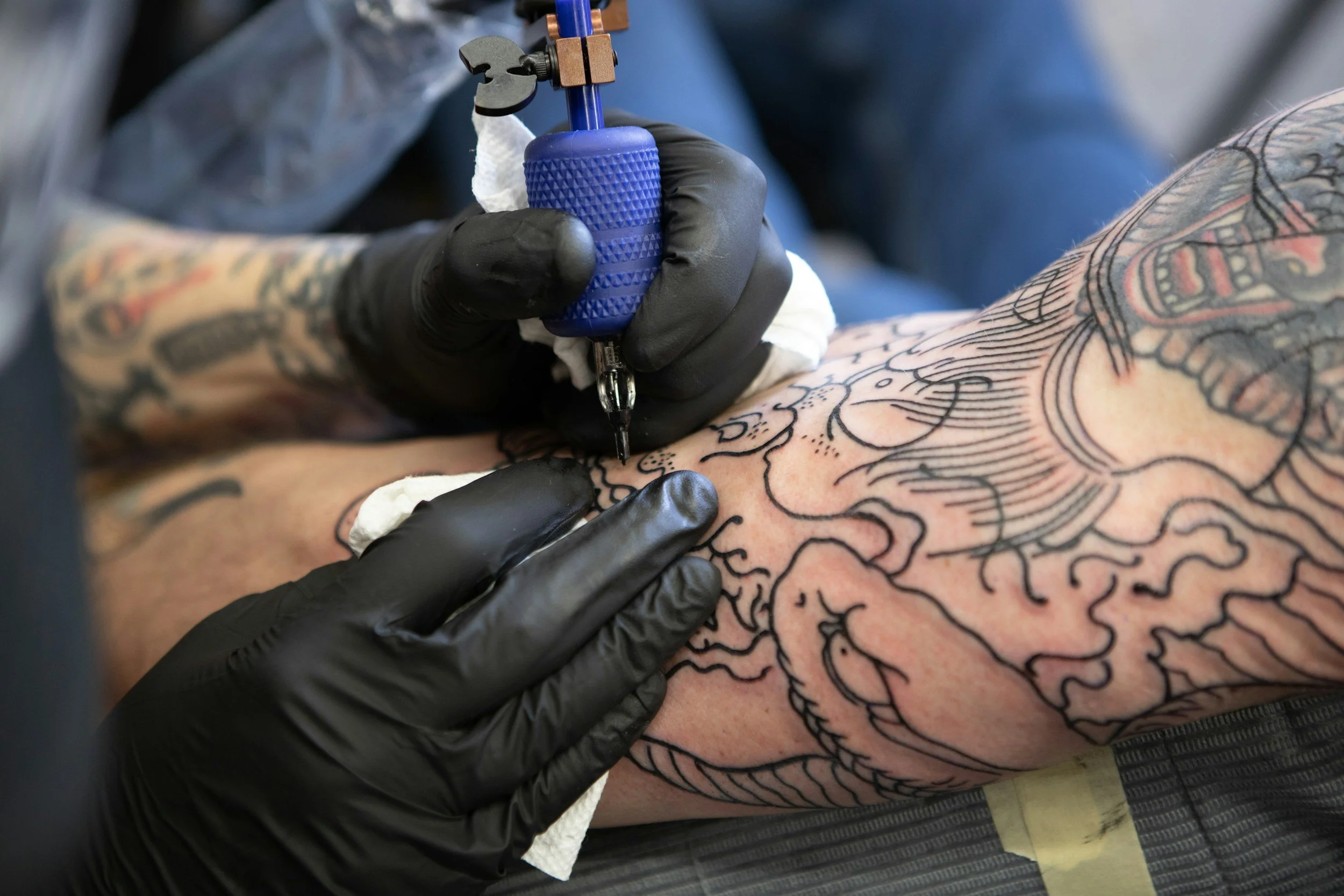
Should DBS checks be mandatory for tattoo artists in England?
At present, tattoo licensing in England focuses on health and hygiene, with no legal requirement for criminal background checks. A new campaign is calling for that to change, pointing to Wales where DBS checks already form part of the licensing framework.
In this article, we explore the current rules in England, examine how the Welsh system works in practice, and look at why the debate around safeguarding, trust and consistency is gaining momentum.

In liune with the DBS’ new id verification guidance, a new IDV method has been introduced: In-branch Verification. This article takes a look at what this IDV method is and how it fits into the new guidance.

The new DBS ID verification guidance becomes mandatory from November 2025. In this article, we look at the key changes you need to be aware of and what you need to do to prepare.


The Employment Rights Bill is set to bring the biggest changes to UK employment law in a generation, affecting everything from zero-hours contracts to sick pay and tribunal access. With Royal Assent expected by summer 2025 and implementation to follow soon after, businesses need to prepare now.

The latest ONS data shows UK job vacancies falling steadily, signalling a broader labour market cooldown. But for employers in tech, digital and regulated sectors, the hiring challenge hasn’t eased. Demand for skilled talent remains high, and so do expectations around pay, flexibility and compliance.

The UK’s Economic Crime Act is reshaping corporate compliance. This article recaps the changes introduced so far and highlights what businesses should do to prepare for the next phase.

With incoming changes to DBS regulations for the sector, pharmacies face fresh compliance challenges. This piece explains why the DBS Update Service offers a smarter, more efficient solution for staying compliant.

Charity fundraising at work doesn’t need to be complicated. This blog shares 12 fun, low-fuss ways to raise money, build team culture, and make a difference. Whether it’s dressing up, getting muddy, or sharing skills, there’s something here for every business — big or small.

Job vacancies are falling and redundancies are rising — signs that UK hiring is slowing. But this recruitment downturn reveals more than a cautious job market. This article explores what’s driving the trend, how it links to wider economic health, and what employers should focus on during uncertain times.

The UK’s care sector is facing severe staffing shortages, and international recruitment has become essential. But behind the hiring boom, some workers are being exploited by rogue agencies — charged illegal fees, underpaid, poorly housed, and threatened into silence. This article explores what’s going wrong, who’s responsible, and how employers can ensure their recruitment practices are ethical, compliant, and fair.

AI isn’t just transforming recruitment — it’s also being used to exploit it. From fake CVs to forged expense receipts, this article explores how AI tools are enabling candidates to cheat the system, and what your business can do to stay one step ahead.

Employee volunteering days are an incredibly effective way to build a stronger workplace culture while making a real difference in the community. But beyond the feel-good factor, what do businesses and employees actually gain from these initiatives?


Keeping your online accounts secure is more critical than ever, as cybercriminals continue to find new ways to steal personal information. This guide covers essential security practices, including using strong, unique passwords, enabling multi-factor authentication (MFA), spotting phishing emails, and identifying account cloning scams.

Searching for employment with a criminal record can often feel like an insurmountable task, but it shouldn’t be. Employment is a key factor when it comes to the rehabilitation of ex-offenders, the employers on this list understand this.

With fines now reaching £60,000 per illegal worker and Home Office audits on the rise, businesses can’t afford to get Right to Work checks wrong. From manual verification errors to outdated onboarding processes, compliance failures are more common than you think—and the risks go far beyond financial penalties.

Personnel Checks has announced the integration of Right to Work checks into its screening platform, allowing employers to verify employees' work eligibility online.

Can you outsource Right-to-Work Checks? When it comes to employment law it can be hard to know where you stand. In this article, we look at the legality of outsourcing your checks and the benefits of using an outsourced provider like Personnel Checks for managing them.

Our team recently exhibited at the Children’s Activity Associations Ignite! Conference. In this article, our Events Manager/Graphic Designer Erin takes you through her role in getting set up for the event and her run down of the day.