

Contact our sales team
REGISTER YOuR BUSINESS TO order CHECKS ON YOUR EMPLOYEES AND CANDIDATES
Need some checks now? Call us on 01254 355650
Please note: This form is for businesses only. If you're an individual and you complete this form, your enquiry will not be answered.
Want to give us a call?
If you want to get started straight away? We’d love to speak to you!
Give us a call on 01254 355650 and we can get you started on your compliance journey today.

Hayley
Customer Success Manager

Tom
Sales Manager
Discover the latest insights from the Personnel Checks experts

Good news for anyone budgeting for recruitment: the government is reducing DBS fees from 5 October 2026. Basic and Standard checks drop to £20, Enhanced to £41, and the Update Service to £15 a year. Volunteer checks stay free.

"Supervised volunteers and staff currently exempt from regulated activity checks won't stay exempt for much longer.
From 1 September 2026, the Crime and Policing Act 2026 removes the supervision exemption for children's activities, meaning anyone teaching, training, caring for or supervising children on more than 3 days in a 30-day period (or overnight) will need an Enhanced DBS check with Children's Barred List information, regardless of supervision.
Here's what's changing, who it affects and the five steps you should take before the deadline.

Self-employed? You can now apply for your own Enhanced DBS Check.
As of 21 April 2026, self-employed workers and personal employees can apply for Enhanced and Enhanced with Barred List(s) DBS Checks directly, through a registered Umbrella Body. Until now, only an employer could submit one on your behalf.
If you're a private tutor, freelance coach, self-employed carer, or personal employee, this is the first time you can fully own your own background check.
Eligibility rules haven't changed; the route in has. Full breakdown below.

Since January 2026, self-employed individuals have been able to apply for Enhanced DBS Checks for the first time, without needing an employer to do it on their behalf.
We've put together a full breakdown of what's changed, how it works in practice, and what steps you can take to adjust to the changes as a children’s activity provider.

Martyn's Law received Royal Assent in April 2025, but the law won't actually come into force until at least April 2027. The Home Office statutory guidance hasn't been published. The SIA's own regulatory guidance hasn't been published. It's still going out for consultation.
So when firms start selling you "Martyn's Law compliance packages" right now, ask yourself: compliant with what, exactly?
The SIA's Executive Director for Martyn's Law, has even said that buying compliance services at this stage is "very unlikely to be a wise investment."
We've written a full breakdown of what the law means, what the penalties look like, and what practical steps you should actually be taking today.

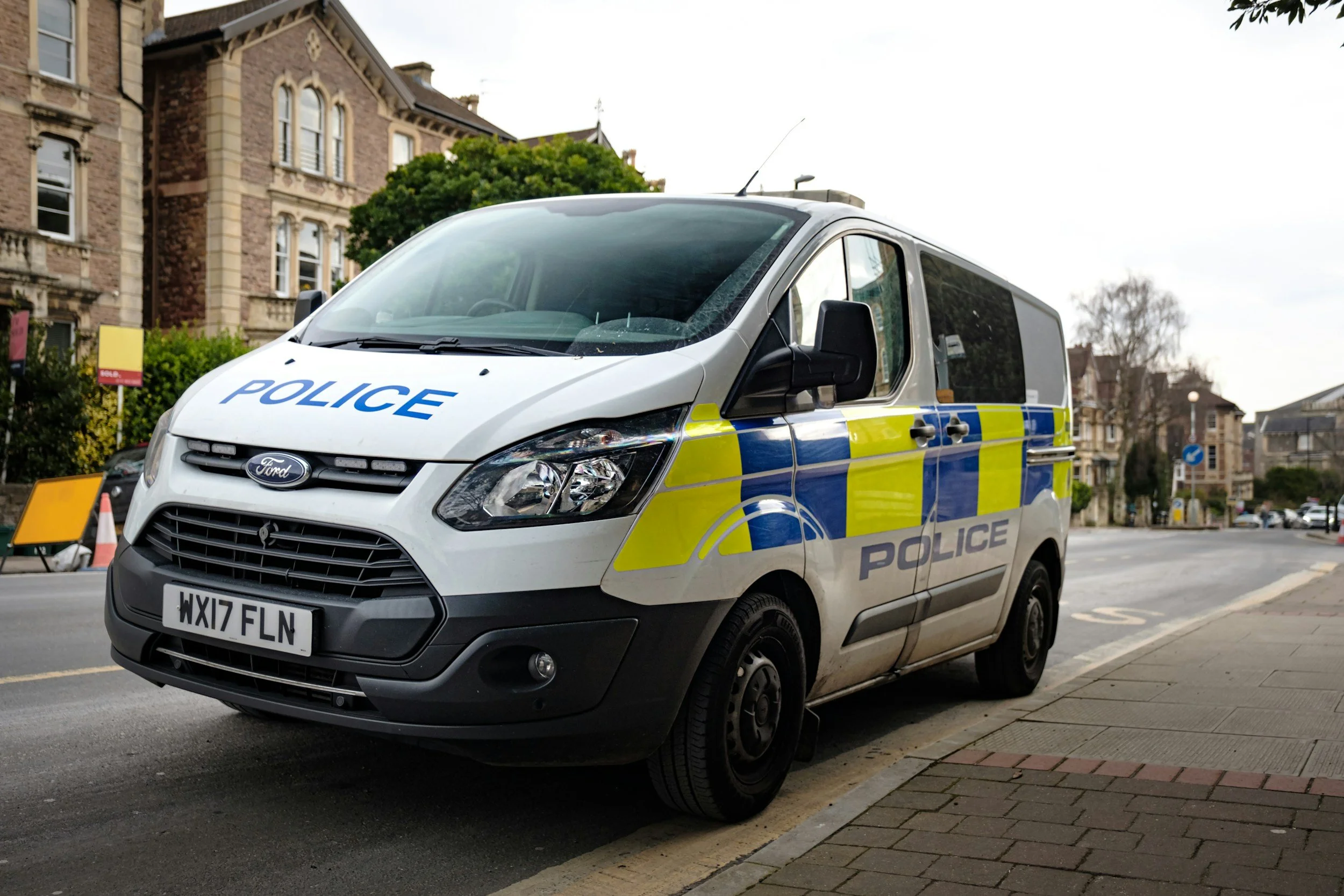
A consultation on massive reform to policing in England and Wales has been launched by the Home Office.
The consultation stems from a recent white paper, entitled, ‘From Local to National: A New Model for Policing’ which sets out massive reforms to both the structure of police forces as well as professional standards.
Check out the article for more information.

The UK Government is consulting on plans to establish a new Child Protection Authority for England — a proposal that could reshape how safeguarding oversight works at a national level.
Drawing on the findings of the Independent Inquiry into Child Sexual Abuse, the consultation explores whether a new, independent body could help address systemic safeguarding risks that fall between existing organisations and regulators.
In this article, we explain what’s being proposed, where the idea comes from, how the Authority could operate in practice, and what it may signal for organisations working in safeguarding-critical sectors.
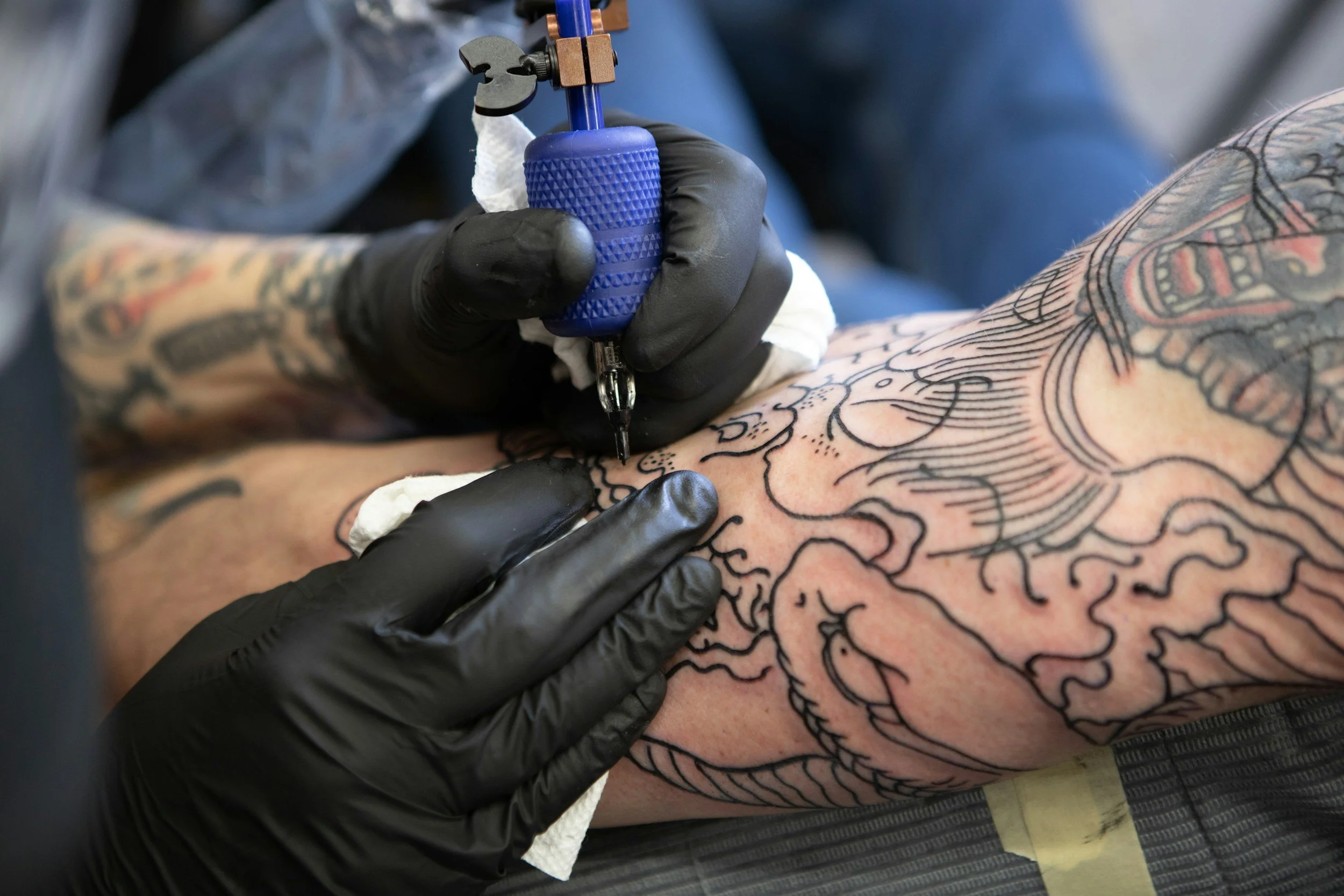
Should DBS checks be mandatory for tattoo artists in England?
At present, tattoo licensing in England focuses on health and hygiene, with no legal requirement for criminal background checks. A new campaign is calling for that to change, pointing to Wales where DBS checks already form part of the licensing framework.
In this article, we explore the current rules in England, examine how the Welsh system works in practice, and look at why the debate around safeguarding, trust and consistency is gaining momentum.

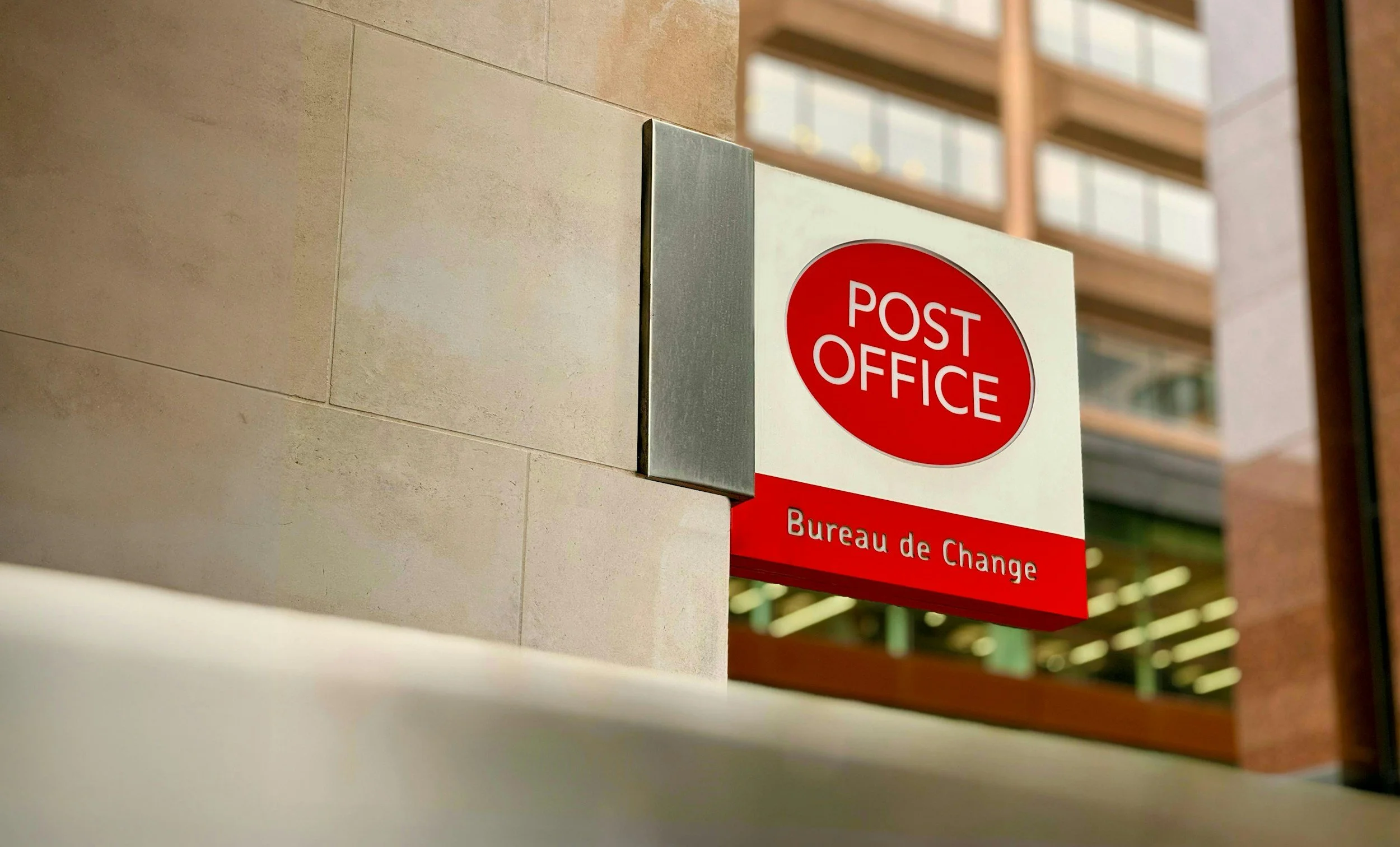
In liune with the DBS’ new id verification guidance, a new IDV method has been introduced: In-branch Verification. This article takes a look at what this IDV method is and how it fits into the new guidance.